







What a citation owes the person who gets it
VeraFine, arriving in a later phase, is designed so that a citation carries its evidence, an appeal pauses it, and a tow needs a person’s authorization.
In this article
Suppose a parent gets a text at 3:20 p.m. saying a citation was issued to a vehicle registered to them, with a link. VeraFine, the part of Veramast that will issue citations, take payments, and hear appeals, is designed around what the parent is owed at that moment. It arrives in a later phase, so this describes how it is designed and not something a school can switch on today. It will be the only part of Veramast that takes money and the only part that can lead to a vehicle being removed.
What arrives with a citation
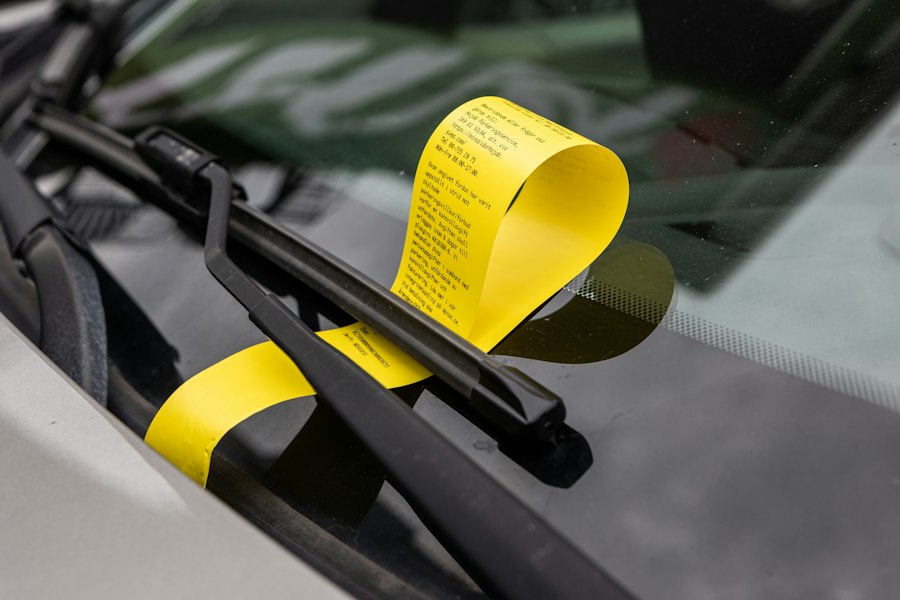
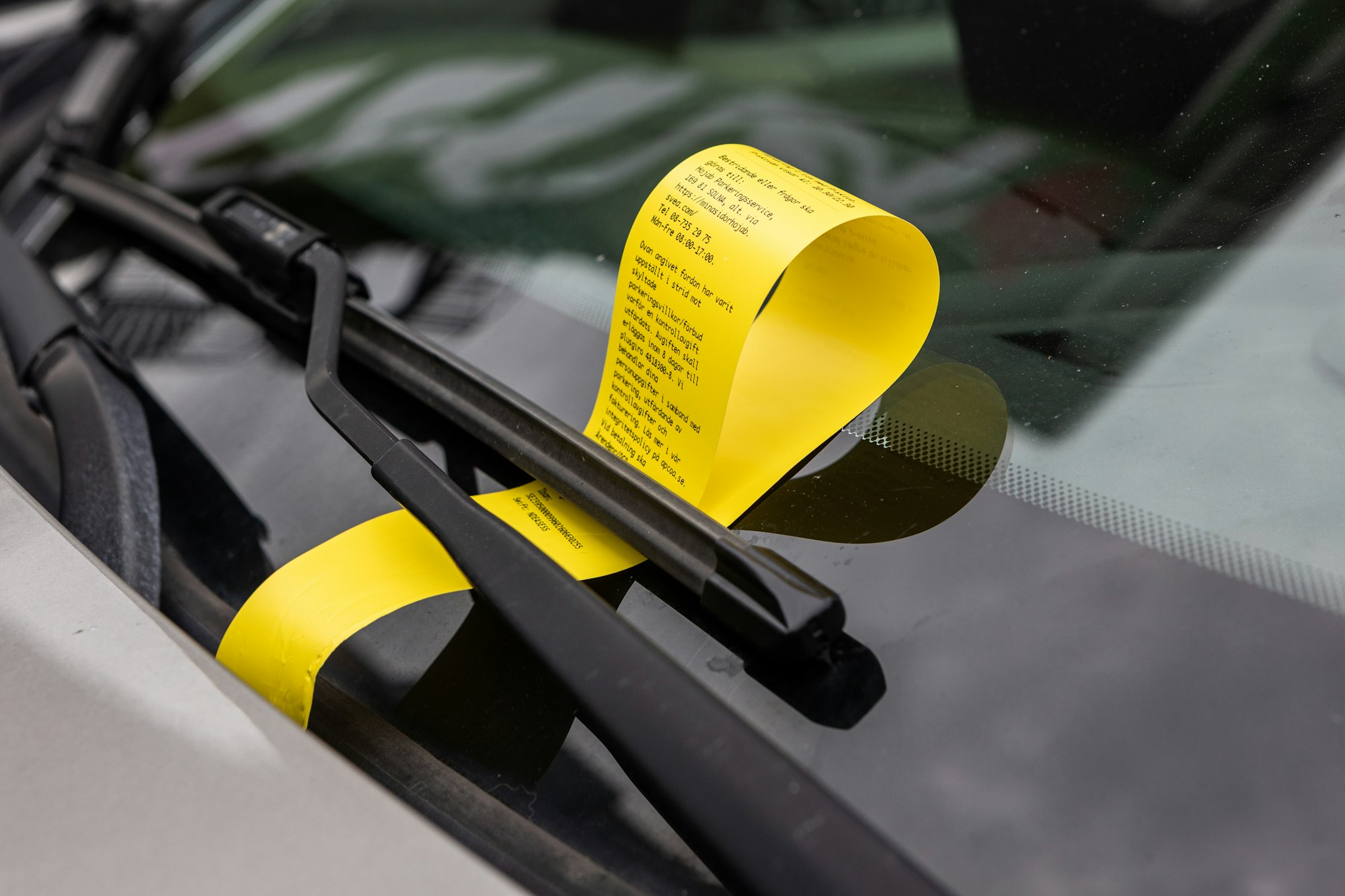
#VeraFine is designed so that every citation carries its number, the violation, the amount from the fine schedule in force that day, the plate, the issuer, the time, where it came from, its evidence, and its due date. The evidence is attached when the citation is issued: the plate photo when it came from a camera read, plus any photographs an officer took.
Most citations are designed to come from an officer standing at the vehicle with a phone in one hand. The screen is designed for one hand, outdoors, and it keeps a visible list of what has been sent, so the officer is never left wondering whether a citation went.
An officer’s citation rests on what the officer sees at the vehicle. VeraFine is designed so that a citation never rests on a plate Veramast could not make out with confidence.
When a citation is appealed
#When VeraFine arrives, the parent will appeal from the same link used to pay. The page is designed to show the number, the violation, the amount, the due date, and the evidence, and never a person’s name. A staff member is designed to be able to file an appeal on someone’s behalf too. Filing is designed to pause any added amount at that moment, and while the appeal is open the citation is designed not to count as unpaid, either for added amounts or for tow eligibility.
A person at the school then decides: uphold, dismiss, or reduce. VeraFine is designed so that each decision carries a note that reaches the appellant word for word. An upheld citation returns to unpaid with a new due date, a dismissed one is voided and anything already paid is refunded, and a reduced one has its new amount recorded beside the original, so the record shows both what was charged and what was decided.
The amount owed
#VeraFine is designed so that the parent on a phone, the front office at its desk, and the board reading a report see the same figure. Every change to it, whether an original charge, an added amount, a reduction, a payment, or a refund, is designed to be recorded with its cause and time. Voiding a citation is designed to need a reason and never to be a deletion.
Each school that takes card payments will be its own merchant. The money goes from the payer to the school’s own bank account, and Veramast is designed never to hold, pool, or pay out family money. A payment made at the front desk will be recorded by staff with a method and a receipt number, and audited the same way. A refund is designed to need a reason.
Some vehicles are not registered to anyone, so a citation for one has nobody to notify. VeraFine is designed to show the school that fact rather than leave a silent gap.
What a board sees
#A school defending its parking program at a board meeting needs to say what was issued, what was collected, and what was appealed, with what outcome. Those are the only reports VeraFine is designed to ship, and none of them contains a plate.

See it for your own school
A 30-minute call, with fictional data in every screen we show you. Expect a reply within 2 business days.
Request a demo